
BIGBEAR
PHARMACEUTICAL
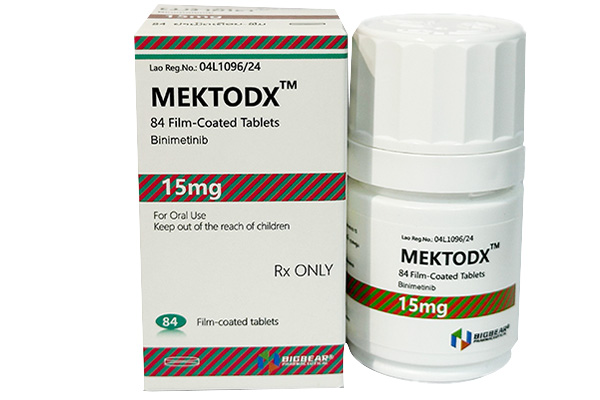
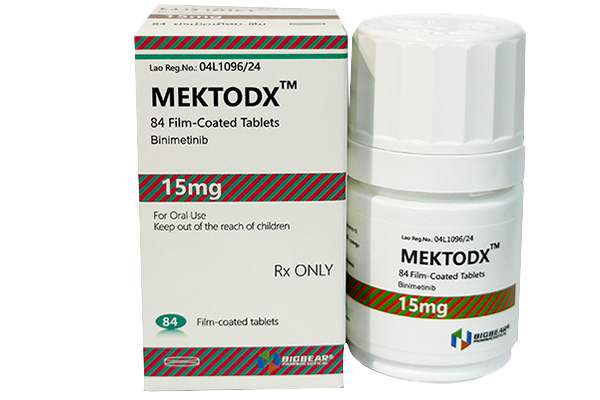
Binimetinib is a targeted anti-cancer drug that works by blocking the MEK protein (a key protein that stimulates cancer cell growth) within cancer cells, thereby inhibiting tumor growth.

 AuthenticGuaranteeFast DeliveryPrivacy
 In clinical practice, binimetinib must be used in combination with the BRAF inhibitor encorafenib. This dual-targeted combination therapy can more comprehensively block the key RAS/RAF/MEK/ERK signaling pathway, thereby inhibiting tumor growth more effectively and delaying the emergence of drug resistance compared to monotherapy.
Binimetinib in combination with encorafenib is indicated for the treatment of adult patients with specific mutations in the BRAF gene:
1、Cutaneous melanoma.
2、on-small cell lung cancer (NSCLC).
It is indicated for patients with metastatic cancer or unresectable disease.
45 mg twice daily (total daily dose 90mg), approximately 12 hours apart.
Must be used in combination with encorafenib.
Swallow tablets whole with water.
May be taken with or without food.
For 15 mg strength:
If swallowing is difficult, disperse the tablet in approximately 10 mL (about 2 teaspoons) of water, orange juice, or apple juice and administer immediately.
Rinse the container with an additional 10 mL of liquid and drink immediately.
Discard and reconstitute if not used within 30 minutes.
If vomiting occurs after dosing, do not make up the dose; take the next dose at the scheduled time.
If a dose is missed, take it as soon as possible.
If it is less than 6 hours until the next dose, skip the missed dose and resume the regular schedule.
Do not take a double dose.
In the event of severe adverse reactions (e.g., cardiac, ocular, or cutaneous events), the physician may reduce the dose, temporarily interrupt, or permanently discontinue treatment.
Use in patients under 18 years of age is not recommended.
Use during pregnancy is not recommended.
Women of childbearing potential must use effective contraception during treatment and for at least 1 month after the last dose.
Use during breastfeeding is not recommended.
No specific data (as per label; adult dosage applies routinely).
Cardiac disorders: dizziness, fatigue, dyspnoea, abnormal heart rhythm, leg oedema.
Hypertension: severe headache, dizziness, marked blood pressure elevation.
Thromboembolism: chest pain, sudden dyspnoea, leg pain/swelling, cold/pale extremities.
Eye disorders: blurred or loss of vision, coloured spots, halos, eye pain/redness.
Musculoskeletal disorders: myalgia, muscle spasms, rigidity, dark urine (possible rhabdomyolysis).
Haemorrhage: haemoptysis, haematemesis, melena, haematuria, abnormal vaginal bleeding, severe headache/weakness.
Other cutaneous malignancies: new skin lesions (e.g., squamous cell carcinoma).
Tumour lysis syndrome: nausea, dyspnoea, arrhythmia, muscle cramps, seizures, oliguria, fatigue.
Very common (≥1/10)
anaemia, neuropathy (paresthesia/hypoaesthesia of hands/feet), headache, dizziness, haemorrhage, visual disturbances, abdominal pain, diarrhoea, vomiting, nausea, constipation, pruritus, dry skin, alopecia, rash, arthralgia, myopathy, back pain, pyrexia, oedema of extremities, fatigue, abnormal liver function tests, elevated blood creatine phosphokinase.
Common (1/100 to <1/10)
cutaneous papilloma, hypersensitivity, dysgeusia, uveitis, colitis, skin fissures, panniculitis, acneiform rash, palmar-plantar erythrodysesthesia syndrome, renal failure, abnormal renal function tests, elevated pancreatic enzymes.
Uncommon (1/1000 to <1/100)
basal cell carcinoma, facial muscle weakness, pancreatitis.
Hypersensitivity to binimetinib or any of the excipients.
Confirm presence of BRAF mutation.
Refer also to the Summary of Product Characteristics for encorafenib.
Cardiac function monitored before and during treatment.
Inform physician of bleeding disorders or concomitant anticoagulant/antiplatelet therapy.
Inform physician of pre-existing ocular disease (e.g., glaucoma).
Use not recommended in patients with history of retinal vein occlusion.
Promptly report any visual changes.
Blood tests to monitor muscle status before and during treatment.
Maintain adequate hydration.
Blood pressure monitored before and during treatment.
Seek immediate medical attention for suggestive symptoms.
Possible interstitial lung disease/pneumonitis (cough, dyspnoea).
Skin examinations before, every 2 months during treatment, and up to 6 months after discontinuation.
Report new lesions (warts, non-healing sores, changes in naevi).
Head, neck, oral, lymph node, and genital/anal examinations also performed.
Liver function tests monitored before and during treatment.
Prompt medical attention for suggestive symptoms.
Inform physician of all concomitant medications, particularly:
antibiotics (rifampicin, ciprofloxacin), antiepileptics (phenobarbital, phenytoin), antiretrovirals (indinavir), antidepressants (St. John’s Wort, duloxetine), lipid-lowering agents (pravastatin), etc.
Avoid driving or operating machinery if visual disturbances or other impairing adverse reactions occur.
If any issues arise, please contact us immediately.
Email:laosbigbear@gmail.com
Take the missed dose as soon as possible; however, if less than 6 hours have passed since the next dose, skip the missed dose. Never take a double dose.
Seek immediate emergency medical assistance or call the poisoning helpline.
Strictly follow your doctor's instructions regarding diet, drinks, and activity restrictions.
Other medications may affect binimetinib, including prescription drugs, over-the-counter drugs, vitamins, and herbal products.
Please tell your doctor about all medications you are currently taking, as well as any new or discontinued medications.
Mektovi is used in combination with another drug called encorafenib (brand name Braftovi) to treat advanced melanoma (skin cancer) and non-small cell lung cancer with specific BRAF gene mutations.
Take the medication as soon as you remember. However, skip the missed dose if your next scheduled dose is due within 6 hours. Do not take a double dose to make up for a forgotten one.
Seek immediate medical assistance or contact the Poison Control Center hotline.
Follow your physician’s guidance regarding any restrictions on food, beverages, or physical activity.
Certain medications may interact with binimetinib, including prescription drugs, over-the-counter medicines, vitamins, and herbal supplements. Inform your doctor about all medications you are currently taking, as well as any drugs you start or discontinue using.
Copyright2024@ BIGBEAR All right reserved Bigbear | Bigbear Pharmaceutical | Bigbear Laos


